For independent compounding pharmacies operating in the U.S., understanding the distinction between 503A and 503B is not optional; it defines the legal framework within which a pharmacy can produce, distribute, and bill for compounded medications. Choosing the wrong designation, or misunderstanding what each permits, creates real compliance exposure. This guide breaks down the core regulatory differences between 503A and 503B, what FDA oversight looks like under each pathway, and how automation fits into a compliant, scalable compounding operation.
Key Differences Between 503A and 503B Facilities
The two designations were established under the Drug Quality and Security Act (DQSA) of 2013 and represent fundamentally different business models for compounding pharmacies.
503A pharmacies operate under the traditional compounding model. They compound medications based on patient-specific prescriptions, and their primary regulatory oversight comes from the state Board of Pharmacy. Under 503A, a compounded preparation generally should not be essentially a copy of a commercially available drug product, except in certain shortage situations. The scope is intentionally limited to individual patient needs.
503B outsourcing facilities, by contrast, register directly with the FDA and can produce compounded medications in larger volumes for office use without requiring a patient-specific prescription. This expanded production capacity comes with significantly stricter requirements: current Good Manufacturing Practice (cGMP) standards, routine FDA inspections, and mandatory adverse event reporting obligations.
The practical differences between the two designations come down to three core variables:
- Prescription requirement: 503A requires a patient-specific prescription; 503B can compound for office use without one
- Distribution scope: 503A is generally limited to serving individual patients; 503B can supply healthcare practitioners across a broader footprint
- Regulatory authority: 503A is primarily state-regulated; 503B is subject to federal FDA oversight and cGMP compliance
It is worth noting that the “essentially a copy” restriction under 503A has been the subject of ongoing FDA guidance refinement. Pharmacies should consult with qualified regulatory or legal counsel to confirm how current FDA guidance applies to their specific compounding activities.
FDA Oversight and Compliance Requirements Explained
The compliance burden differs substantially between the two pathways, and understanding that difference is essential before a pharmacy commits to either model.
For 503A pharmacies, state Boards of Pharmacy conduct inspections and set licensing requirements. Federal FDA oversight exists but is less direct. The primary federal standards that apply to non-sterile compounding under 503A are USP guidelines, which cover facilities, personnel training and competency, equipment, documentation, and beyond-use dating (BUD) principles. State-level rules are layered on top of these federal standards and vary by jurisdiction. Interstate shipping of compounded products often requires a separate license in the receiving state, a detail that catches many independent pharmacies off guard.
For 503B outsourcing facilities, the compliance picture is considerably more demanding. The FDA conducts routine inspections, and facilities must adhere to cGMP requirements that mirror pharmaceutical manufacturing standards. Adverse event reporting is mandatory, and the documentation burden is substantially higher than what most traditional compounding operations are accustomed to maintaining.
Across both designations, common inspection findings in the compounding industry tend to cluster around the same vulnerabilities:
- Documentation gaps and incomplete batch records
- Missing or inadequately justified beyond-use dating
- Gaps in equipment calibration records
- Incomplete personnel training documentation
These are not obscure edge cases. They represent the areas where manual, paper-based workflows most frequently break down under the scrutiny of a regulatory inspection.
Which Designation Fits Your Pharmacy’s Business Model
The right designation depends on the volume, distribution model, and operational infrastructure a pharmacy intends to build.
Most independent compounding pharmacies in the U.S. operate under 503A. This designation suits pharmacies that compound for individual patients, work within a defined geographic area, and maintain a direct prescriber relationship. The regulatory requirements are meaningful but manageable for a well-organized independent operation. 503A also preserves flexibility in formulation, since the patient-specific prescription model allows pharmacists to tailor preparations to individual clinical needs.
503B registration makes sense for pharmacies that want to supply healthcare practitioners at scale, compound larger batch sizes, or distribute across state lines without patient-specific prescriptions. However, the investment required to meet cGMP standards is substantial. Facilities, equipment, personnel, and quality systems all need to meet a significantly higher bar. For most independent pharmacies, the 503B pathway represents a major operational and financial commitment that may not align with their current business model.
Before making any designation decision, pharmacies should seek guidance from regulatory counsel familiar with both FDA compounding regulations and their specific state Board of Pharmacy requirements. State rules evolve, and what applies in one state may not apply in another.
How Automation Supports Compounding Compliance and Scalability
Regardless of designation, the compliance challenges that show up most consistently during inspections are documentation and process consistency. This is precisely where automated compounding technology changes the operational equation for independent pharmacies.
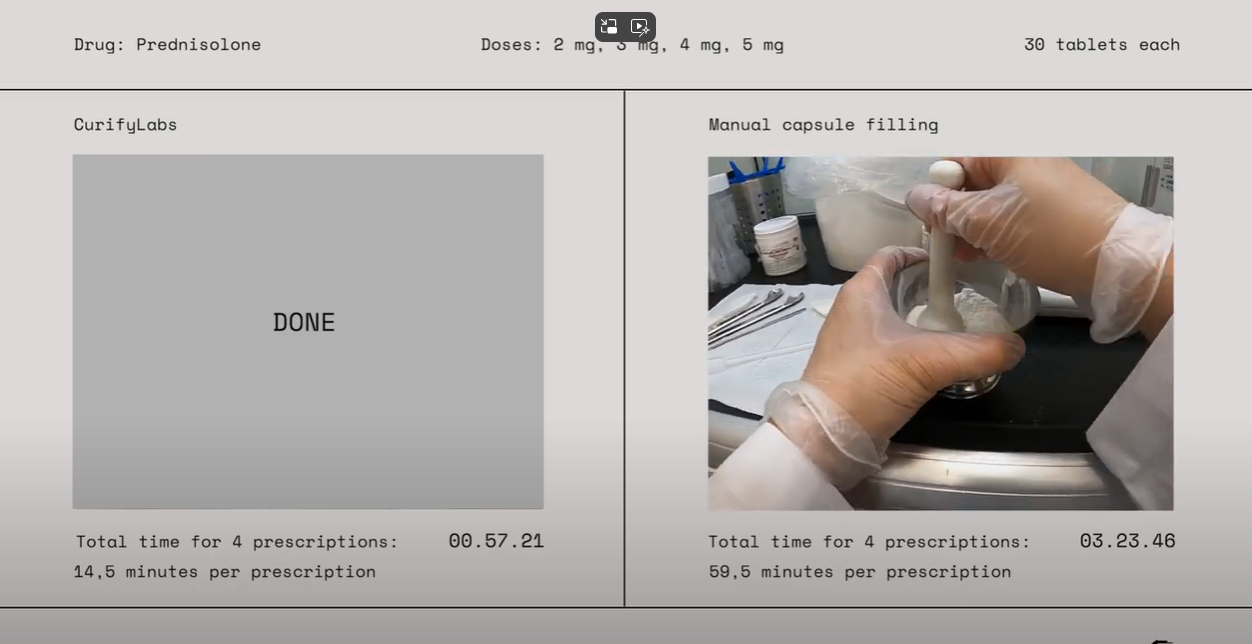
Manual compounding workflows introduce variability at every step. Weighing, mixing, filling, and labeling by hand creates opportunities for human error that are difficult to detect and even harder to document in a way that satisfies a regulatory reviewer. Automated systems, by contrast, produce standardized, repeatable outputs with built-in documentation trails.
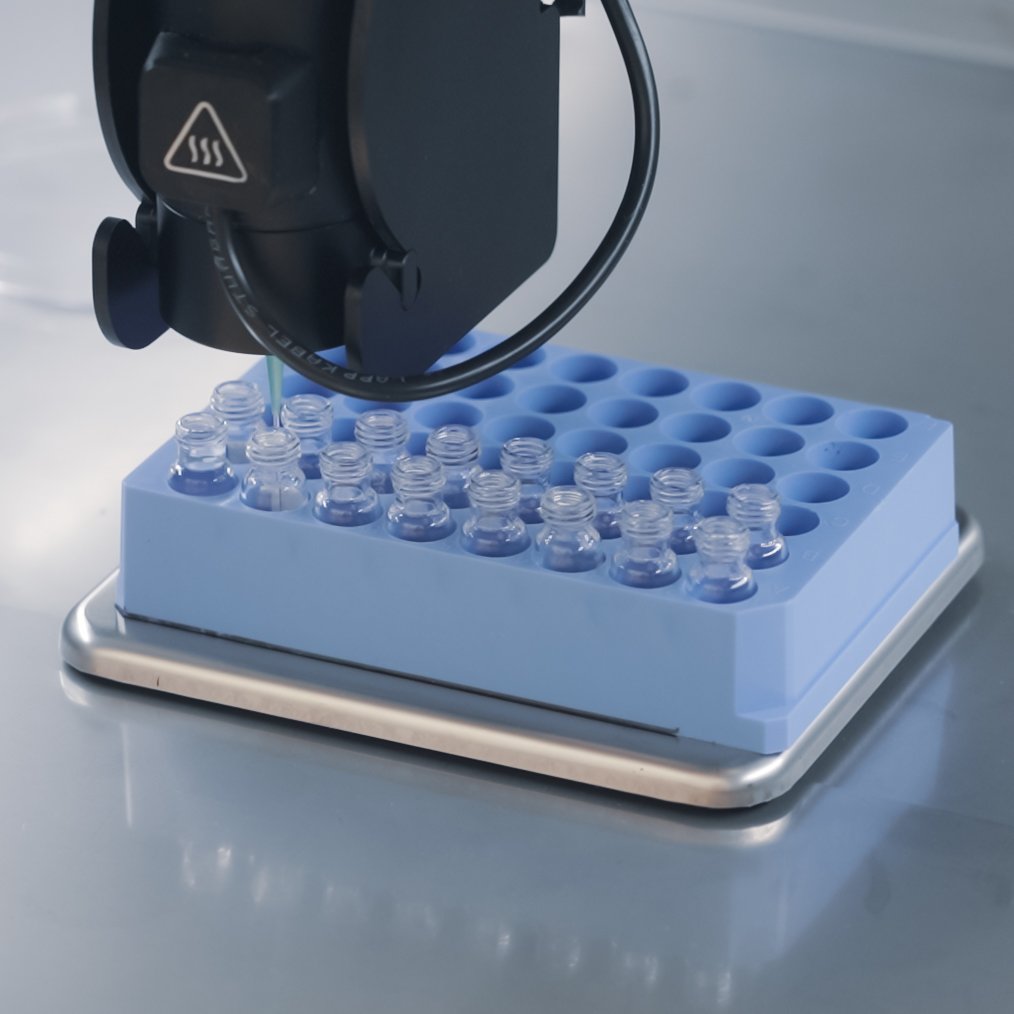
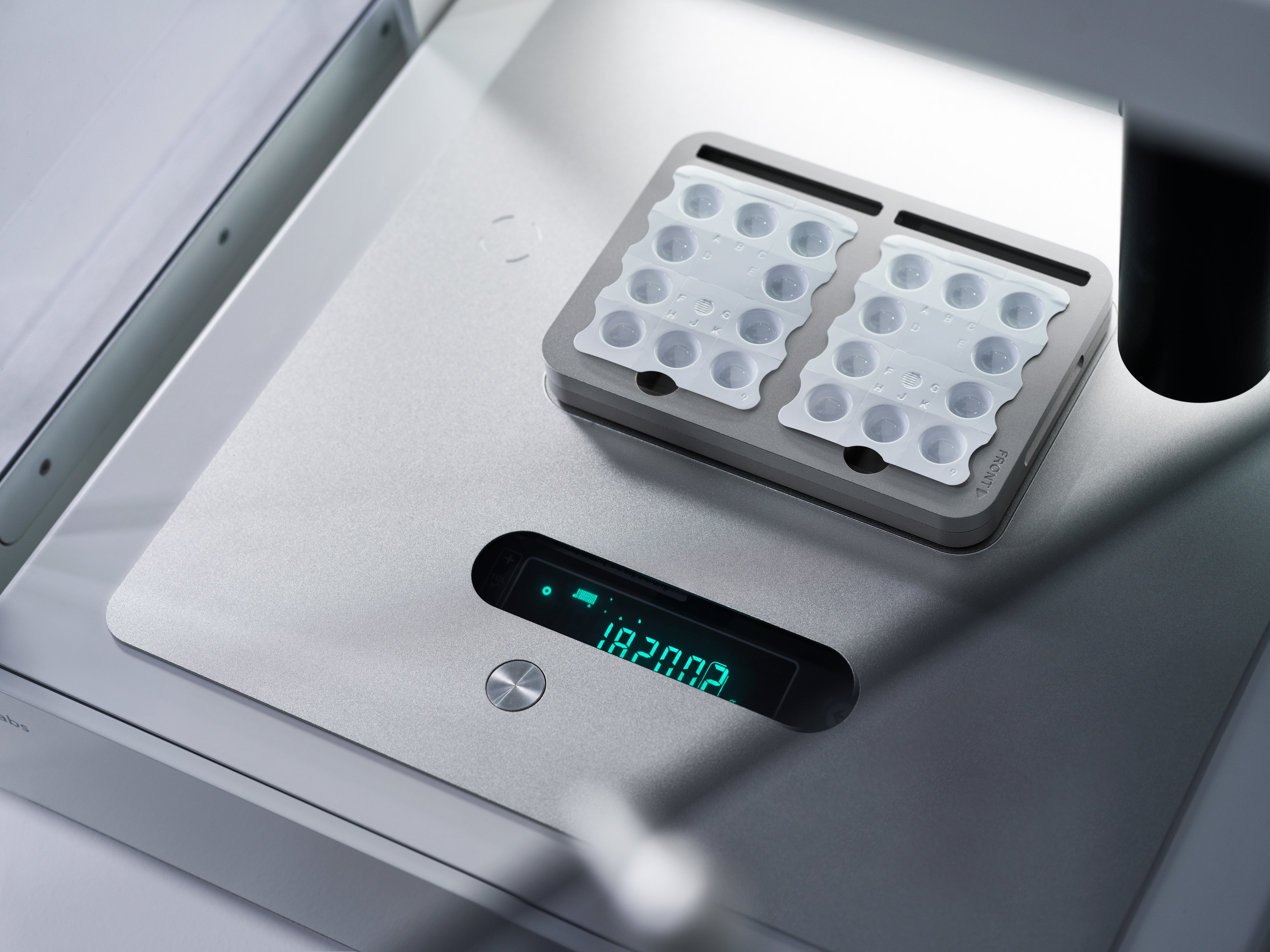
Our platform at CurifyLabs is built specifically to address these compliance pressure points in non-sterile compounding. The Formulation Library provides pre-validated processes and BUD justifications, which means the documentation that typically needs to be constructed from scratch by a pharmacist is ready-made and audit-ready. Integrated quality control tools support in-process and final-product verification, closing the gap that manual workflows most commonly leave open.
The result is a compounding operation that is not only more consistent in output quality but also better positioned for inspection readiness. Automation does not guarantee compliance; regulatory requirements are ultimately the pharmacy’s responsibility to meet and verify with qualified counsel. What it can do is reduce the manual burden of building and maintaining the documentation infrastructure that compliance depends on.
For independent pharmacies evaluating how to scale their compounding output while managing compliance risk, the question is increasingly not whether to automate, but when. To learn more about how our technology supports non-sterile compounding workflows, visit our FAQ or get in touch with our team directly.